
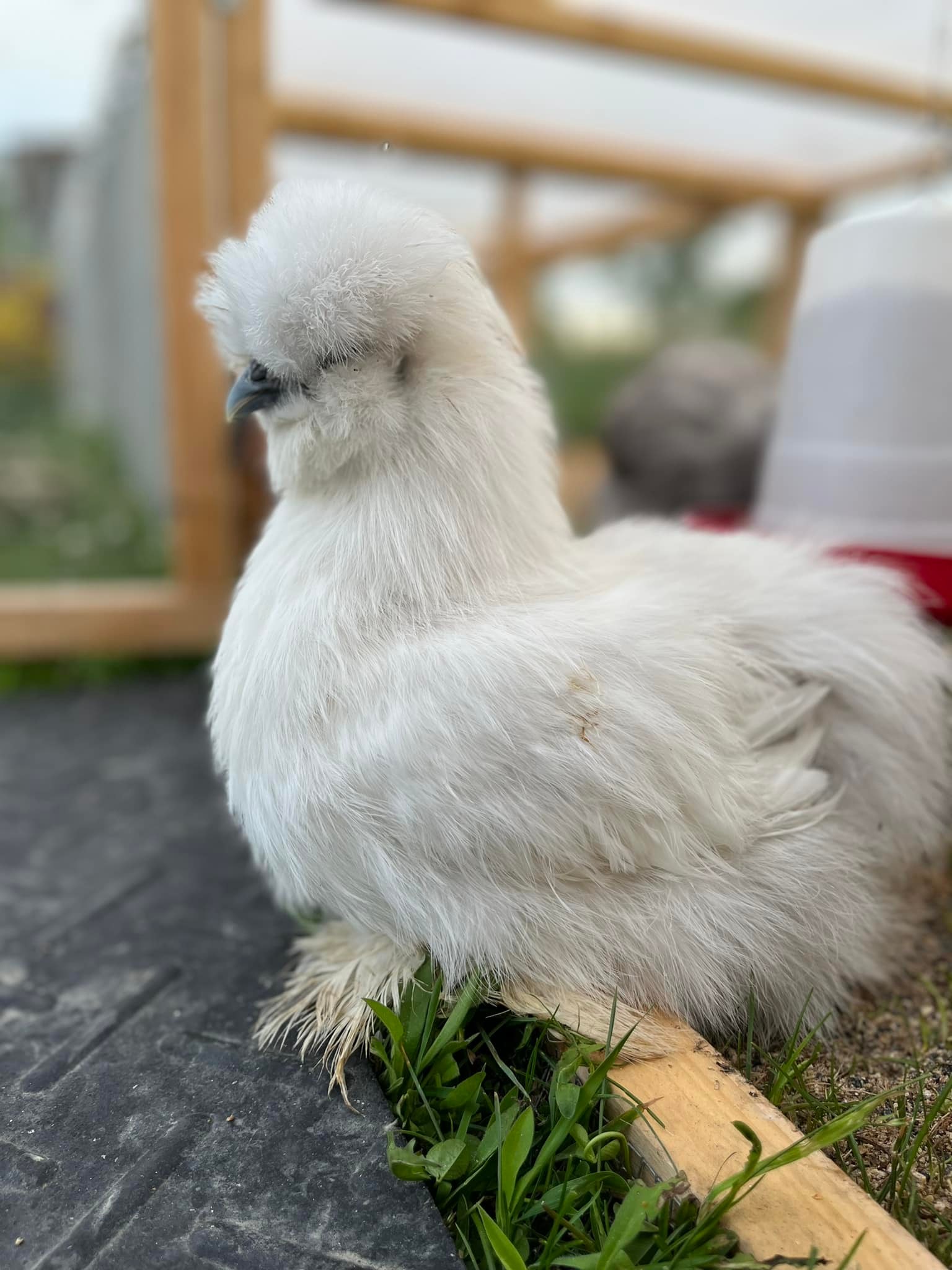
Introducing New Chickens to an Existing Flock: What We Learned Combining 45 Hens
Bringing home new chickens is exciting, but introducing them to an existing flock can feel overwhelming. If you’ve spent any time researching flock integration, you’ve probably read countless horror stories about bullying, pecking, and stressed hens.
When it came time to combine our flock at Lucky Clucks Farm, we were introducing 20 new hens to our existing flock of 25. While we expected a few challenges, we also wanted to make the transition as smooth as possible for everyone.
Here’s what happened, what surprised us, and what we’d do again.
Why We Needed to Combine Our Flocks
As our hobby farm continued to grow, we knew our chickens needed a larger, more functional home. After completing our new blue coop and covered runs, it was finally time for everyone to live together.
Instead of maintaining separate groups, our goal was to create one healthy, happy flock sharing the same coop, covered runs, and outdoor space.
Before the Move
Preparation made a huge difference.
Before introducing everyone, we made sure there was plenty of room for the flock to spread out. We also added multiple feeders and waterers so lower-ranking hens always had access to food and water without competing with more dominant birds.
The new coop provided significantly more space than our previous setup, giving everyone room to establish their place in the flock.
The First Few Days
As expected, there was plenty of pecking order behaviour.
Some chasing, pecking, and squabbles are completely normal as chickens establish their social hierarchy. While it can be difficult to watch, we resisted the urge to interfere unless a bird was being seriously injured.
Most disagreements were brief and became less frequent as the days passed.
A Drop in Egg Production
One thing we expected—but still found frustrating—was the temporary drop in egg production.
Moving to a new coop, meeting new flock mates, and adjusting to unfamiliar surroundings created stress for many of our hens. Even healthy chickens often lay fewer eggs during major changes.
Fortunately, as everyone settled into their new routine, production slowly began improving again.
Learning a New Home
One of our biggest concerns wasn’t fighting—it was convincing everyone that the new coop was home.
Some of our older hens continued roosting in the covered runs instead of sleeping inside the coop. Rather than forcing them, we allowed them time to explore and become comfortable with the new environment while keeping the entire area secure.
Gradually, more hens began using the coop naturally.
What Surprised Us
One of the biggest surprises was how quickly some birds adapted while others needed much longer.
Our newer hens were among the first to begin laying in the new nesting boxes, while several older hens took extra time to settle in.
Just like people, every chicken adjusts to change at its own pace.
Tips for Introducing New Chickens
Based on our experience, here are a few things we’d recommend:
- Give your flock as much space as possible.
- Provide multiple feeding and watering stations.
- Expect some pecking order behaviour.
- Avoid making additional changes during the transition if possible.
- Be patient—settling in takes time.
- Don’t panic if egg production temporarily drops.
Lessons We Learned
If there’s one thing this experience taught us, it’s that patience is one of the most important tools a chicken keeper can have.
We wanted everyone to immediately accept the new coop, sleep in the right place, and start laying again right away. Instead, our chickens reminded us that major changes take time.
By allowing them to adjust at their own pace while providing a safe, secure environment, we watched our two flocks slowly become one.
Looking back now, every day brought a little more progress, and seeing everyone finally settle into their new home made all the planning and hard work worthwhile.
Frequently Asked Questions
How long does it take chickens to accept new flock members?
Every flock is different. Some adjust within a few days, while others may take several weeks before the pecking order settles.
Is it normal for egg production to drop after introducing new chickens?
Yes. Stress from moving, new flock mates, and changes in routine commonly causes a temporary decrease in egg production.
Should I separate chickens that are pecking each other?
Minor pecking and chasing are a normal part of establishing a social hierarchy. However, if a bird is being seriously injured or prevented from eating or drinking, intervention may be necessary.
Final Thoughts
Introducing new chickens isn’t always easy, but it’s one of the most rewarding milestones on a growing hobby farm.
Watching two separate groups slowly become one flock reminded us that patience, preparation, and giving chickens time to adjust are often more important than trying to control every detail.
Every flock is different, but with space, consistency, and a little patience, they’ll often figure things out better than we expect.
Curious about the coop behind this flock integration? Follow the journey of building our dream blue chicken coop, from planning and construction to move-in day and everything we learned along the way.